Links: de samensteller van deze anarcho-astro-info-site. Zon in het aan rotsen en ijzer gebonden (Saturnale) dierenriemteken Steenbok en de Maan in het koele, intellectuele teken Maagd. Zie voor meer info mijn geboortehoroscoop.
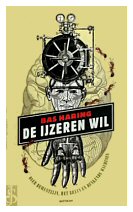
Rechts: Bas Haring, naar eigen zeggen: "Professor in de snapkunde", schrijver van het populair-wetenschappelijke boek 'De Ijzeren Wil'. Zon in het vrouwelijke Venus-teken Stier. Maan in het vrouwelijke fantasieteken Vis. Bas is lid van de Partij van de Arbeid en hij houdt van "ont-ernstigen": het zware wat lichter maken.
Zie ook: Vrijheid & Gelijkheid
|
Saturnus (heerser van het teken Steenbok) vertegenwoordigt het (mannelijke) principe van de begrenzing, de beheersing, het plichtsbesef en het geweten (de moraal in zijn zuivere vorm: gezien als wil tot weten).
In zijn positieve gedaante is hij de goede vader, die samen met de moeder (de Maan) de wereld orde en rust brengt. |

Webinfo: Capricorn, The Goat
Belangrijke onderwerpen
Bas Haring vindt het leuk om na te denken
Dan Falk: The Unknown Newton
Tommy Franks: A fiercely independent kind of guy?
De UN & Herzl's Unfinished Business
Het Lied Van De Parel, een gnostische wekroep
Het Heilige Land & het anarchistische vader-moeder-land
Vaclaw Havel & The need for transcendence
Religie & Anti-Religie
Profeet Mohammed, de Essenen & Ezra
De mythe van de machtige tempel
Olmert, Sharon & de Israëlische Likoed
De Nieuwe Geldreligie Van Theo Van Gogh
Hafiz - Vorausbestimmung
|
Alles ist vorausbestimmt
Ich bin längst vorausbestimmt
Wie die Vögel ihre Büsche,
Alles ist vorausbestimmt |
HAFIZ (1325 - 1389) was the poetic name of Shams ud-Din Mohammed which, in Arabic, means 'one who knows the Koran by heart'. He was born in Shiraz, Persia. As a theologian he preached tolerance, as a poet he produced over 700 poems collected in a work called 'divan'. Hafiz' poems are considered one of the highpoints of Persian poetry. Zijn lyrische gedichten, de Ghazals, staan bekend om hun schoonheid van klank en vorm. De thematiek van liefde en wanhoop, het noodlot, mystiek en vroege soefistische thema's waar de Perzische poëzie al tijdenlang van doordrongen was geweest, kwamen tot volle bloei in zijn vernuftig geconstrueerde en emotioneel aansprekende gedichten.(Wikipedia info) |
Bas Haring: "Ik vind het leuk om na te denken"
Over denken & weg denken
Commentaar WD 2004
De Volkskrant, een krant die het nieuws jarenlang op een onnadenkende, beter gezegd: weg denkende, wijze benaderde - hetgeen heel concreet betekent dat slecht nieuws 'geen nieuws is' - laat in de zaterdagbijlage van 7 augustus 2004 een filosoof aan het woord: Bas Haring.
Bas is geboren op 23 april 1968 in De Bilt, afgestudeerd bij Kunstmatige Intelligentie, Universiteit Utrecht, en na een tocht door het bedrijfsleven (SHELL, Bakkenist) gepromoveerd tot Universitair hoofddocent Mediatechnologie bij de Universiteit Leiden , een baan die hem zoveel vrije tijd oplevert, dat hij volgens interviewer Michael Persson in feite weinig meer doet dan het schrijven van boeken (op zonnige eilanden en in dure hotels), het presenteren van televisieprogramma's en het af en toe logeren in zijn eigen huis, waar zijn vriendin dan heel stilletjes en gehoorzaam een boek leest: "Die valt me", legt de hoogleraar in de snapkunte uit, "niet lastig".
Ik moet eerlijk zeggen dat ik als nuchtere, niks verdienende blogger best wel een beetje jaloers word wanneer ik lees hoe deze linkse denker zijn denkarbeid verricht en ik begrijp ook heel goed waarom deze socialistische idealist nadenken zo verschrikkelijk leuk vindt, want zeg nu zelf, wie zou er - wanneer hij de hieronder geplaatste fragmenten uit het interview leest - niet ook een linkse denker willen zijn?
Haring leidt een zonnig leven...
Net terug van een maand vakantie heeft hij alweer een hotel aan de kust geboekt... Afgelopen maand zat hij op het vulkaaneiland Graciosa op de Azoren:
'Niets te beleven, verrukkelijk. Het hele dorp lag op het strand, jong en oud, niemand hoefde wat. Ongelukkig word je daar niet van. Dat vind ik wijsheid...
Nu heeft hij een hotel in Wassenaar geboekt om over een derde boek na te denken. Zwemmen, denken, schrijven. Heerlijk. Er wordt voor me gezorgd...
Haring weet nog niet precies waar het over zal gaan.. Iets met zelfopoffering. Werktitel: 'De Lariekoek van Leiderschap'... (Volkskrant, Michael Persson 7-8-2004)
Een van de opmerkelijkste stellingen die Haring poneert in het gesprek met Persson vond ik wel de mededeling dat 'hij de man is die ons komt vertellen dat Sinterklaas niet bestaat'.
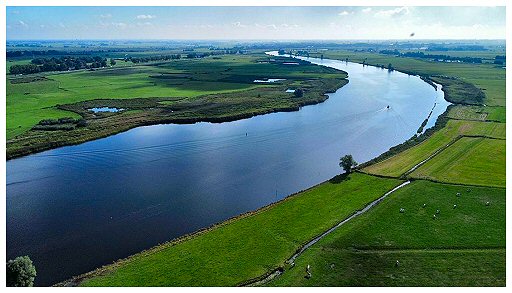 Nou..., dat vond ik wel zo'n dooddoener, zo'n teken van kleinburgerlijke schijnlinksheid, dat ik maar snel de weekendbijlage van de Volkskrant terzijde heb geschoven, om terug te keren naar mijn eigen werkplekje aan de oever van het Zwolse Zwarte Water, waar weliswaar geen vriendin aanwezig is die gehoorzaam een boekje leest terwijl ik driftig aan het tikken ben op mijn toetsenbordje, maar waar ik wel de voldoening mag proeven van het uitzicht over een waterstroom die mij voortdurend duidelijk maakt dat het voor een mens op sommige momenten van zijn leven maar beter is een uiterst pessimistische zwartkijker te zijn.
Waarmee ik ben aanbeland bij het antwoord op de Sinterklaas-onzin van Haring, die in het kader van de Midden-Oosten-problematiek uitermate voos en nietszeggend is, gezien het feit dat 'onze jongens' (met steun van de progressieve Partij van de Arbeid) in Irak aan het vechten zijn voor precies die werkelijkheid (de Sinterklaas van Israël) die volgens Bas Haring niet bestaat.
Sinterklaas heeft volgens de de Amerikanen en de Israëlische joden in het verleden aan een groep Hebreeuwse stammen een stuk grond gegeven in het Midden Oosten - en omdat die grond heilig is verklaard moeten de nakomelingen van die stammen dat land terug veroveren en verdedigen tegen de aanvallen van mensen die zeggen dat een denkbeeldige figuur die zomaar wat willekeurige mensen land geeft niet bestaat..., omdat hij simpelweg door doodgewone mensen die zichzelf belangrijk vonden bedacht is .. ; en dat is best een logische redenering, en een bewering bovendien die op wetenschappelijke wijze ge-analyseerd kan worden.
Amerikanen, Britten en Hollanders houden echter niet van logica en wetenschappelijk onderzoek. Zij steunen de onzin, zeggen: "Ja, wij geloven in Sinterklaas", en als gevolg daarvan zijn de Palestijnen - die vanwege het Sinterklaasverhaal zo heel ineens op het land van een ander blijken te wonen - uitgeroepen tot Zwarte Piet, een figuur waarvan ik als anarchist zeg dat hij ook niet bestaat.
En kijk, wat nu zo vreemd is dat de denker Bas Haring, als ontkenner van het bestaan van Sinterklaas, op een troon wordt geplaatst, hij mag de rol van grote denker spelen, terwijl ik, als ontkenner van Zwarte Piet, aan de kant wordt geschoven: ik word domweg weg gedacht
Wanneer Bas Haring dan ook een nieuw boek wil gaan schrijven, dan zou ik hem aanraden die merkwaardige problematiek eens centraal te stellen: niet een boek schrijven over Sinterklaas die niet bestaat (want daar hebben de mensen maling aan, de machthebbers zeggen domweg dat hij wel bestaat), maar over Zwarte Piet die niet mag bestaan - omdat diezelfde machthebbers niet willen dat hij bestaat...
Het is heel onlogisch allemaal. Een Sinterklaas staat of valt met Zwarte Piet. Zodat je maar twee dingen kunt doen: of stellen dat Sinterklaas en Zwarte Piet allebei niet bestaan, of zeggen dat ze een eenheid vormen, zodat je niet het recht hebt de een op een troon te denken en de ander de afgrond in te denken....
Erg leuk om over na te denken terwijl je vriendin in haar kleine damesfauteuil gelaten en bedeesd een leuk en ontspannend detectiveboekje leest. (Zwolle 8-8-2004)
Zie ook: De Lieve Luiwammes
The unknown Newton
By Dan Falk, GlobeAndMail, 7-8-2004
The genius who gave us three laws of motion wrote even more
about the Apocalypse and the Whore of Babylon.
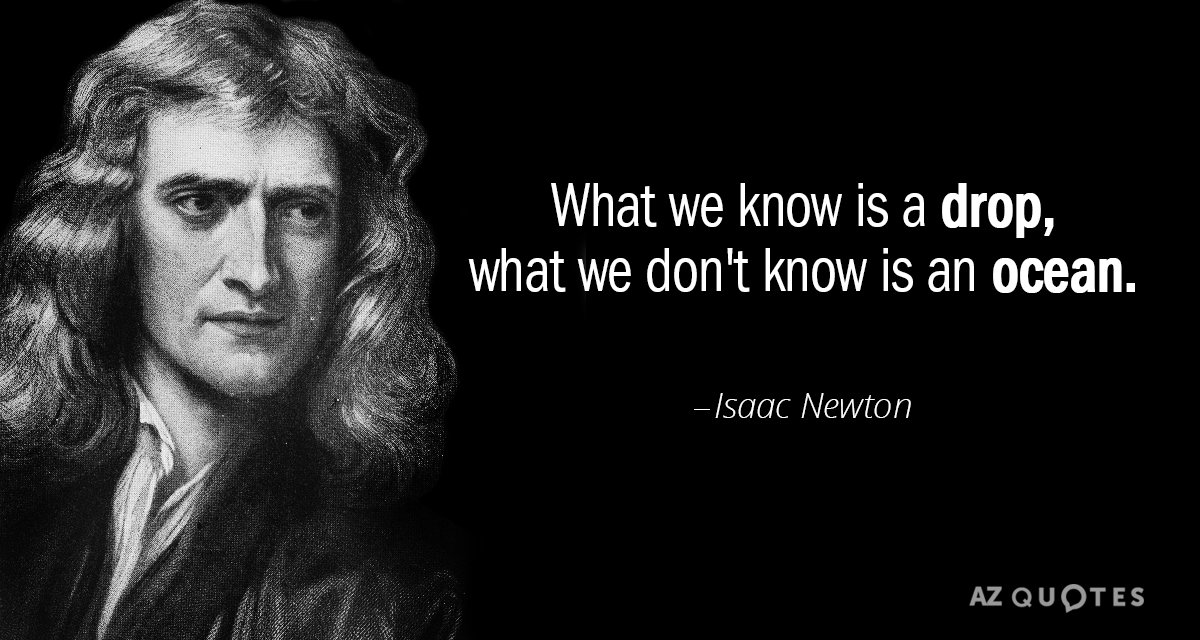 "Atheism is so senseless. When I look at the solar system, I see the earth at the right distance from the sun to receive the proper amounts of heat and light. This did not happen by chance. (Isaac Newton) |
Yet if we go by sheer word count, physics was only one of Newton's intellectual priorities. He devoted more time to what we would now regard as non-scientific topics such as theology and alchemy, writing treatise after treatise on early church history and biblical prophecy.
"We think of Newton, obviously, primarily as a scientist," says Stephen Snobelen, a historian of science at King's College in Halifax. "So this awareness that there is this four-million-word corpus of theological texts, and another one million words on alchemy, is quite a revelation for many people."
Many early-Newton scholars, eager to secure his place as Britain's greatest scientist and an icon of the Enlightenment, played down his non-scientific interests.
"The old Enlightenment view was that Newton did his theology when he was senile," Prof. Iliffe says. "But that's not true. He did it when he was at his most powerful as a thinker."
Although Newton was a deeply religious Christian, he held starkly anti-Catholic and anti-Trinitarian views. For him, there was only "God the father". (Denying the Holy Trinity was a criminal offence in England in Newton's day)
He also obsessed over the early history of the church, especially the third, fourth and fifth centuries, when, in his view, Christianity became corrupted...
"Newton was extremely careful about his wording." "He was walking on a knife edge. If he presented [his theology] too openly, then he would have been caught. If he didn't present it openly enough, no one would have seen the message." (Dan Falk 2004)
Weinig mensen realiseren zich dat we in een corrupte, aan leugens gebonden, wereld leven. Juist vanwege het feit dat Isaac Newton zich daar wel bewust van was en als denker de moed durfde op te brengen theologen met hun eigen (theologische) wapens te bestrijden (de enige manier om de strijd te winnen...) kunnen we de man een genie noemen, dat wil zeggen: een creatieve geest, die met behulp van zijn denkkracht de beperkingen van het kleinburgerlijk-moralistische denken probeerde te overwinnen.
Astro info: Isaac Newton is geboren op 25 december 1642 (4-1-1643 NS), in Woolsthorpe (UK) 01u 40m: Zon in het nuchtere Aaardeteken Steenbok, Maan in het vrouwelijke Waterteken Kreeft, Ascendant in het kritische Waterteken Schorpioen (Uranus in het ascendanthuis)
Newton: "I do not know what I may appear to the world, but to myself I seem to have been only like a boy playing on the sea-shore, and diverting myself in now and then finding a smoother pebble or a prettier shell than ordinary, whilst the great ocean of truth lay all undiscovered before me."
Tommy Franks: "A fiercely independent kind of guy"
TheState.com 9-8-2004
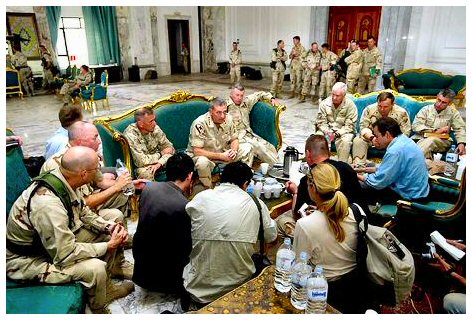 BAGHDAD, April 16, 2003: Gen. Tommy R. Franks, who commanded U.S. and British forces in the war against Iraq, paid a brief conqueror's visit to Baghdad today, greeting U.S. soldiers with hugs and horseplay and smoking a victory cigar with his top officers in one of former president Saddam Hussein's commandeered palaces. (Washington Post 2003) |
A year into retirement, Franks also said he has not decided whether to endorse President Bush for re-election. "I don't know yet. I'm leaning in that direction," he said on ABC's "This Week." [..]
Franks said he also has not decided whether he would want to speak at the Republican National Convention. "I'm a fiercely independent kind of guy and rather proud of it," Franks said. Commentaar WD 2004
Tommy Franks noemt zichzelf onafhankelijk, maar is het natuurlijk niet. Hij is (als afhankelijk, blindelings gehoorzamend anti-individu) verantwoordelijk voor de chaos in Irak en ligt daar in het geheel niet wakker van, omdat juist zijn positie van totale afhankelijkheid van de ideologie (christelijk-zionistisch-nationalistisch) hem in staat stelt elk moreel schuldbesef in zichzelf te ontkennen.
Hetzelfde geldt voor al die partijgebonden ideologen die in het Westen de macht in handen hebben. Zij allen zijn de vijand van de onafhankelijke geest, zodat ze - ondanks hun dure praatjes - in het geheel niet vrij zijn. Waren ze dat wel, dan zouden ze - als ware internationalisten - samen met Arabieren om de tafel zitten en dan zou Israël datgene zijn wat het in feite is: een kleine ministaat in een grote wereld, waarin het krachtens zijn positie een bescheiden (hooguit adviserende) minirol behoort te spelen. \
Individuele onafhankelijkheid - kort samengevat - is het dood verklaren van elke valse leiderschapsrol.
"Leiderschap", zou Professor in de Snapkunde Bas Haring hier ongetwijfeld zeggen: "is lariekoek".
Zie ook: Amerika & ont-politisering
Herzl's Unfinished Business
The Jerusalem Program 2004
World Zionist Organisation juni 2004
In an extraordinary expression of solidarity and singularity of purpose, the 160 delegates from 28 countries pledged themselves unanimously to strengthening Israel as a Jewish, Zionist and democratic state, and shaping it as an exemplary society (chevrat mofet) with a unique moral and spiritual character marked by mutual respect for the multifaceted Jewish people, rooted in the vision of the prophets, striving for peace and contributing to the betterment of the world (tikkun olam).
These delegates represented the entire political spectrum, the three major streams of Judaism and 10 diverse international Jewish organizations.
The platform also advances a global Jewish agenda for the Zionist movement, emphasizing the mutual responsibility that Jews in Israel and the diaspora have in working together to assure their continuity and common future; asserting the centrality of Israel in Jewish life; calling for aliyah from all countries; encouraging Jewish, Hebrew and Zionist education, and the fostering of unique spiritual and cultural values; promoting the struggle against anti-Semitism; and supporting settlement as an expression of practical Zionism.
Is Zionistisch Leiderschap Ook Lariekoek?
Commentaar WS 2004

Zionisme is niet niks. Zionisme is (vanuit anarchistisch gezichtspunt bezien) de op politieke machtsvorming gebaseerde wil over anderen de baas te spelen, niet op grond van een legitiem toegewezen recht (zoals dat het geval is bij de Verenigde Naties, een instituut dat zijn of haar morele leiderschap ontleent aan de instemming en medewerking van alle naties van de wereld) maar aan twee volstrekt irrationele principes: Het Goddelijke uitverkorenschap (Bas Haring spreekt over 'geloven in Sinterklaas') en de strijd tegen al diegenen die weigeren het axioma van de Goddelijke uitverkiezing (Bas Haring zegt: Leiderschap is lariekoek) serieus te nemen: de mensen die (vaak volkomen onterecht) 'antisemieten' worden genoemd.
Die twee principes: macht veroveren en de eeuwige strijd tegen de vijand van de macht bepalen nu al tientallen jaren lang - vanaf de jaren zestig waarin zowel van Palestijnse kant (de PLO met zijn gewapende verzet) als van Israelische kant (vertegenwoordigers van de Groot-Israel-gedachte) de strijd om de macht benadrukt werd - het beeld van wat zionisten 'hun droom' noemen.
Hoewel men toegeeft dat het doel van het zionisme, vorming van een staat waarin de joden hun bijbels-profetische taak waar kunnen maken, niet bereikt is (een doel dat volgens mij ook nooit bereikt zal worden, gezien het feit dat de meerderheid van de Israelische bevolking alles wil zijn, behalve wijze, profetische zieners en denkers...) wil men wel aan dat doel blijven werken: via het versterken van de machtsbasis dus (Zionistische - lees: politiek-nationalistische - opvoeding) en het bestrijden van 'de vijand' (een vaag begrip dat niets met moraliteit te maken heeft).
 Dat het resultaat van dat alles is dat de wereld wordt opgescheept met blinde, naar macht verlangende ideologen die niks anders kunnen dan als vijand beschouwde anderen wegwerken, ziet men niet in.
De taak van het Zionisme is het verdedigen van 'het morele leiderschap van het joodse volk' (waar de staat Israel de vertegenwoordiger van is) tegen de aanvallen van de vijanden van dat leiderschap.
Meer is er niet. Want alles wat er echt zou moeten zijn ligt in de verre toekomst: die utopische lichtende periode, waarin alle vijanden van de morele leiders (lees: de staat Israel) verslagen zullen zijn...; een somber toekomstbeeld, waaraan een zwartgallig mens de eenvoudige conclusie verbindt dat de wereld maar beter kan kiezen voor (en het versterken van) wat het al heeft: De niet aan ras en religie gebonden VN en zijn Universele Verklaring van de Rechten van de Mens, zaken die volgens het zionisme weliswaar 'antisemitisch' zijn (omdat zij de jood als morele leider overbodig maken), maar die ondanks dat zogenaamd fel antisemitische karakter elk mens op deze aarde in staat stellen op zijn eigen wijze de rechten van anderen te verdedigen. (9-8-2004)
Het Lied Van De Parel
gnostische spiritualiteit als vijand van
ontkinderlijkte volwassenheid
"Toen ik een klein kind was, in het Rijk van mijn
Vaderlijk huis woonde, waar ik mij verlustigde aan de rijkdom en
aan de pracht van mijn opvoeders, zonden mijn ouders mij
vanuit het Oosten, ons vaderland, voorzien van geestelijk voedsel
voor de reis, weg.
Uit de rijkdom van onze schatten belastten
ze mij met een last, rijk en toch heel licht, zodat ik haar alleen
kon dragen. Zij bekleedden mij met het prachtig gewaad,
dat zij in liefde tot mij hadden vervaardigd. Zij sloten met
mij een verdrag en schreven dit in mijn hart, opdat ik het
niet zou vergeten:
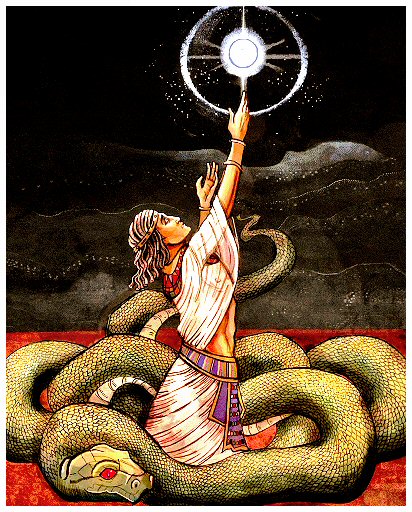 "Wanneer je naar Egypte reist en de ene
parel haalt, die zich midden in de door een sissende slang
omringende zee bevindt, zul je je prachtig gewaad weer aantrekken.
Je zult dan met je broeder (ons tweede kind, dat
thuis achterblijft) erfgenaam in ons koninkrijk worden."
"Wanneer je naar Egypte reist en de ene
parel haalt, die zich midden in de door een sissende slang
omringende zee bevindt, zul je je prachtig gewaad weer aantrekken.
Je zult dan met je broeder (ons tweede kind, dat
thuis achterblijft) erfgenaam in ons koninkrijk worden."
Ik verliet het Oosten en ging op reis, vergezeld van twee
boden, daar de weg gevaarlijk was en moeilijk. Ik was te jong
om deze reis alleen te ondernemen.
Ik trok over de grens van
Maisan verder. Zo kwam ik in Egypte en mijn begeleiders
verlieten mij.
Regelrecht begaf ik mij naar de slang, ging
bij haar verblijfplaats zitten, tot ze zou insluimeren, teneinde
haar de parel te ontnemen.
Daar ik alleen en vreemd was
als een kluizenaar, kenden de medebewoners van mijn herberg mij niet.
Daar zag ik iemand van mijn geslacht, een vrijgeboren man uit het Oosten,
een schone en lieftallige jongeling, een vorstenzoon.
Hij naderde mij, om zich bij mij te
voegen en ik maakte hem tot mijn vertrouwde metgezel,
aan wie ik het doel van mijn reis meedeelde.
Hij waarschuwde mij
voor de Egyptenaren en voor de omgang met de onreinen.
Ik kleedde mij echter in hun kleren, opdat ik er niet
als een vreemdeling zou uitzien, niet als iemand die uit de
vreemde komt om de parel te ontnemen en opdat zij niet de
slang zouden wekken. Maar om de een of andere reden bemerkten ze,
dat ik niet hun landgenoot was. Zij naderden
mij en bereidden mij een drank van hun listen en gaven mij
van hun voedsel te eten.
Zo vergat ik, dat ik een koningszoon was en diende hun koning.
Ik vergat de parel,
waarvoor mijn ouders mij hadden uitgezonden. Door de zwaarte
van hun voedsel viel ik in slaap.
Alles wat wij overkwam bemerkten mijn ouders; zij waren bedroefd over mij. Een roep ging uit in ons koninkrijk, dat allen aan de poorten zouden komen. Een boodschap werd uitgezonden:
|
"
Info: "The portrait of Gnostics as dangerous counter-Christians, a portrait painted by power and enshrined as truth, held for sixteen hundred years, until 1945, when an archaeological find, known as the Nag Hammadi Library, was discovered inside a cave in a mountain in upper Egypt. This remarkable collection of fourth-century Coptic texts, thought to have been copied from material that may date back to as early as the second half of the first century, cast new light upon long-obscured Christian history: a history that revealed no suggestion that Gnostics hated life or favored any of the repulsive behaviors attributed to them, but rather that they advocated individualism in pursuit of their primary goal, the search for enlightenment. What the Nag Hammadi text salso disclosed is that from the very beginning of Christianity, there existed an alternative theology, a competing —and compelling— interpretation of scripture which, had it not been actively suppressed, might have undermined the entire fabric of the early Church. (Source) |
Ontwaak en sta op uit je slaap. Verneem de woorden uit onze brief.
Herinner je, dat je een koningszoon bent, zie toe, wie je in knechtschap gediend hebt.
Denk aan de parel, waarvoor je naar Egypte bent gereisd. Herinner je het pronkgewaad, opdat je het draagt, je je daarmede tooit en opdat je naam gelezen worde in het boek der helden, en opdat je met je broeder erfgenaam van ons rijk worde!"
Als een gezant was de brief, die de koning met zijn zegel
verzegeld had voor de onreinen, de kinderen van Babel en
de rebellerende demonen van Sarbug.
Hij verhief zich in de gedaante van een adelaar, de koning van alle vogels, daalde
tot mij neder en werd geheel tot stem.
Hierdoor ontwaakte
ik uit mijn bedwelming en ik stond op. Ik nam de brief,
kuste hem, verbrak het zegel en las.
Geheel zoals in mijn hart
was geschreven, zo waren de woorden van mijn brief te
lezen.
Ik herinnerde mij weer een koningszoon te zijn en
dat mijn vrije afkomst naar haar eigen wezen verlangde.
Ik herinnerde mij weer de parel, waarvoor ik naar Egypte
gezonden was en begon de vreselijke sissende slang te
betoveren, door haar de naam van mijn Vader en Moeder te
noemen.
Zo greep ik de parel en wendde mij, om tot mijn Vader terug te keren. Het vieze en onreine kleed trok ik uit, liet het in hun land achter en richtte mijn schreden, opdat ik tot het licht van ons vaderland, het Oosten zou komen."
Uit: Het Evangelie van Thomas en het Lied van de Parel, van K.E. Freitag,
Theosofische Uitgeverij. Amsterdam.
Het Heilige Land,
een geperverteerde afbeelding
van het anarchistische vaderland
Commentaar WD 2004
Citaat: "Ik wil baan ruimen voor de ratio, ook al is die keihard en zaagt die veel van onze schijnzekerheden gewoon door. Ik wil sprookjes de nek omwringen, ficties slopen." "Mensen stellen vaak geen prijs op de logica en de waarheid." "In onze samenleving worden mensen die logisch nadenken gewoon niet gewaardeerd." (Bas Haring, 12-4-2004)
De strijd tussen Religie (geloof in een persoonlijke wetten-stellende God staat centraal) en Gnosis (kennis, wetenschap en leven staan centraal) is begonnen in Babylon, waar een vijand van het naar weten verlangende verstand, de conservatieve priester EZRA, een geheel eigen, aan de eigen groep gebonden, geloofsvisie ontwierp, die we nu 'het Oude Testament' noemen.
Info: Ezra was volgens het gelijknamige boek Ezra 7-10 en Nehemia 8 in de Hebreeuwse Bijbel een belangrijk Joods persoon in de periode van de Perzische koning Artaxerxes I (465-425 v.Chr.)
 EZRA is de geestelijke vader van de joodse theocratie, een verbeeldingsloze wetgever, die de anarchistische verbeeldingsrijke spiritualiteit van polytheïstische of humanistische denkers en kunstenaars - mensen die het onafhankelijke individu centraal stellen - om heeft gevormd tot een dwingend geheel van regels en voorschriften, dat is opgebouwd rondom een 'onderworpen god' en een daaraan gekoppeld 'heilig land' met 'heilige priesters'.
Het was een keuze voor het aan macht en dwang gekoppelde monotheïsme (te vergelijken met de dictatoriale machtsgreep van de Egyptische farao Echnaton), zodat je kunt stellen dat EZRA een van de eerste religieuze dictators in het naar beschaving verlangende Midden-Oosten is geweest.
Sigmund Freud verwijst in een van zijn geschriften ook naar Echnaton, maar hij koppelt die naam aan de bijbelfiguur Mozes (die volgens kritische mensen niiut heeft bestaan).
In 'Der Mann Moses und die monotheistische Religion' (1939) veronderstelt Sigmund Freud dat Mozes niet joods was, maar eigenlijk geboren in Oude Egyptische adel. Wellicht was hij een volgeling van Echnaton, een oude Egyptische monotheïst, of misschien Echnaton zelf.
Hoewel het bestaan van Mozes onzeker is kan wel met zekerheid gesteld kan worden is dat de schriftgeleerde EZRA, als reëel bestaande historische figuur, een religieuze dictator was, een man die het vrije individu en een persoonlijk geestelijk bestaan ontkent en daarom een collectieve identiteit ontwerpt, 'de slaafse gelovigen', die verplicht zijn het collectivisme als opperste God te aanbidden in een land waarin de mens ontpersoonlijkt is en deel moet uitmaken van een tribale gemeenschap waarin voor buitenstaanders geen plaats is.
Wie het gnostische Lied van de Parel (hierboven) leest zal ontdekken dat hier geen sprake is van irrationele collectivistisch-nationalistische beelden die de persoonlijkheid van de mens ontkennen, maar van een verwijzing naar een werkelijk bestaande verlichte staat ("Toen ik een klein kind was, in het Rijk van mijn Vaderlijk huis woonde') die de mens tijdens zijn reis naar een vreemde wereld (Egypte) kwijt raakt: 'Ik vergat dat ik een koningszoon was en diende hun koning'.
Gedreven door compassie sturen zijn ouders een boodschapper naar de vreemde wereld ('in de gedaante van een adelaar') met een wekroep: 'Ontwaak, sta op uit je slaap'.
Als gevolg daarvan herinnert de slapende mens zich zijn goddelijke afkomst en keert hij terug naar zijn vaderland (een spiritueel beeld dat past in de Vader- en Moeder-filosofie van het Midden)
Het zionisme kan gezien worden als is de kleinburgerlijke (EZRA-istische) vertaling van dit gnostisch-spirituele verhaal. De staat Israel - in zijn huidige religieus-orthodoxe vorm - is de ontkenning van de kinderlijke verbeelding en daarmee weinig meer dan een kerker, waarin alles wat geestelijk vrij en onafhankelijk wil zijn wordt onderdrukt.
Waar echter in het gnostische verhaal anarchistische boodschappers individuele mensen oproepen wakker te worden, en terug te keren naar je ware zelf, daar roepen zionisten hun volgelingen toe dat ze verplicht zijn te kiezen voor de eeuwige slaap van het joodse collectivistisme.
Alles wat we als volk doen en zijn - zo luidt de boodschap - is Zion, een begrip dat een geheel eigen goddelijke status gekregen heeft, zodat het zionisme (een politieke ideologie) ook een pseudoreligie kan worden genoemd.
Nooit zullen gelovigen in een primitief-monistische wereld een simpele, onafhankelijke geest mogen worden, een 'IK' dat op zoek gaat naar een ander 'IK'.
Altijd zullen zij zich moeten onderwerpen aan de terreur van het bezitterige collectief met zijn naargeestige, dwingerige 'god', die nooit 'het andere' (of het eigene) in anderen zoekt, maar altijd 'het gelijke'. Zodat 'geluk' het ongeluk wordt van diegenen die anders (of zichzelf) willen zijn.
Humanisme
Niet Godendienst, maar Mensendienst
Al die religieuze systemen die de mens centraal stellen worden momenteel in een kwaad daglicht geplaatst door de fundamentalisten die onze wereld regeren. Het mens-ontkennende fundamentalisme wil van ons gevangenen maken. Een van de denkers die daar de aandacht op vestigen is (of beter gezegd: was) Vaclaw Havel, een man die als dissident religieus was, maar wiens religiositeit onder invloed van 'het machtig moeten zijn tussen de leugenachtige machtigen' langzaam maar zeker verbleekt is...
The need for transcendence in the postmodern world
Two Transcendent Ideas

Its authors and adherents have pointed out that from the countless possible courses of its evolution the universe took the only one that enabled life to emerge. This is not yet proof that the aim of the universe has always been that it should one day see itself through our eyes. But how else can this matter be explained?
I think the Anthropic Cosmological Principle brings to us an idea perhaps as old as humanity itself: that we are not at all just an accidental anomaly, the microscopic caprice of a tine particle whirling in the endless depth of the universe. >BR> Instead, we are mysteriously connected to the entire universe, we are mirrored in it, just as the entire evolution of the universe is mirrored in us.
This theory brings together proof that the dense network of mutual interactions betwee the organic and inorganic portions of the earth's surface form a single system, a kind of mega-organism, a living planet - Gaia - named after an ancient goddess who is recognizable as an archetype of the Earth Mother in perhaps all religions.
According to the Gaia Hypothesis, we are parts of a greater whole. If we endanger her, she will dispense with us in the interest of a higher value - that is, life itself.
What makes the Anthropic Principle and the Gaia Hypothesis so inspiring?
One simple thing: Both remind us, in modern language, of what we have long suspected, of what we have long projected into our forgotten myths and perhaps what has always lain dormant within us as archetypes. That is, the awareness of our being anchored in the earth and the universe, the awareness that we are not here alone nor for ourselves alone, but that we are an integral part of higher, mysterious entities against whom it is not advisable to blaspheme.
This forgotten awareness is encoded in all religions. All cultures anticipate it in various forms. It is one of the things that form the basis of man's understanding of himself, of his place in the world, and ultimately of the world as such.
The only real hope of people today is probably a renewal of our certainty that we are rooted in the earth and, at the same time, in the cosmos.
Religie & Anti-Religie
Commentaar WD 2004
Vaclaw Havel is een religieus mens in de goede zin van het woord, goed daarom, omdat hij God loskoppelt van het wrede, dierlijke, egoïstische machtsdenken van onredelijke ideologen die denken dat ze (omdat ze de macht bezitten) God zelf zijn en aan dat sadistische machtsdenken het recht menen te ontlenen andere mensen als vuil te mogen behandelen.
Juist het onredelijke verlangen van egoïsten andere mensen te willen gebruiken en misbruiken heeft de twee grote ideologieën van de 20e eeuw, liberalisme en socialisme, zo'n slechte naam bezorgd. Liberalisme werd omgevormd tot kapitalisme en socialisme werd marxistisch collectivisme
Niet de religieuze eenheidsgedachte bepaalde het denken en handelen, maar de wil via het manipuleren van de werkelijkheid (het robotiseren van het bestaan) een schijnwereld in het leven te roepen waarin het geluk van de een (de machtige) tegenover het ongeluk van de ander (de machteloze) wordt geplaatst, een solidariteitsloze wereld, die alleen maar 'goed' kan worden gemaakt wanneer je al diegenen die de wreedheid zichtbaar kunnen maken wegwerkt.
Kapitalisme en marxisme (gezien als antireligieuze, geestloze economische dwangsystemen) zijn producten van wat Havel de antireligie zou noemen: vijanden dus van de eenheidsgedachte die volgens Havel het kenmerk is van ware religiositeit.
 Wanneer moslims 'de ene God' prediken, een God die met geen enkele belangengroep vereenzelvigd mag worden, dan zijn zij op een positief-religieuze wijze bezig. Maar zodra zij proberen die God tot bezit of eigendom te maken (materialisering van het goddelijke = marxisme = kapitalisme) zijn zij de vijanden van de religie en moeten zij aan die kant geplaatst worden waar zij thuishoren: de kant van de verdelende mensenhaters die maar een enkele strijd kennen: de strijd tegen de liefde, de strijd tegen de eenheid, de strijd tegen de rede, die de mens boven het dier plaatst.
Het symbool bij uitstek van die dierlijke strijd tegen de rede is in onze tijd Jeruzalem, een stad die door joden, christenen moslims tot 'heilige stad' is uitgeroepen, op zo'n volstrekt antirationele, hysterische wijze, dat ze bereid zijn voor het bezit ervan het levensgeluk van honderden miljoenen mensen op de waagschaal te plaatsen...
Religie is omgeslagen in antireligie.., en niet een van de geestelijke hoogwaardigheidsbekleders (die zich op een arrogante wijze laten aanspreken met titels als 'opperste leider' en 'zijne heiligheid' en wat ze al niet meer aan antireligieuze opschepperij verzinnen) probeert het gelovige volk duidelijk te maken dat religie niet het aanbidden van de hysterische domheid is, maar een poging mensen via vergeestelijking van het bestaan (denk aan de Universele verklaring van de rechten van de mens) los te maken van aan de materie gebonden waanzin.
Zelfs de hoogste baas van de Roomse kerk in ons land, kardinaal Simonis, gaf als antwoord op de vraag waar hij (als men hem daartoe dwong) voor zou kiezen: Rome of Jeruzalem?, het triest stemmende antwoord 'Jeruzalem', daarmee het failliet bevestigend van zijn zogenaamde 'christelijke religiositeit', die via de keuze voor Jeruzalem (de dood van de geestelijke vrijheid en de overwinning van het hysterische collectivisme) antireligie blijkt te zijn.
Jeruzalem is de dood van de ware religiositeit omdat Jeruzalem de mens wegvoert van de spirituele eenheidsgedachte en hem tot slaaf maakt van het idool - dat juist het kenmerk bij uitstek is van het materialistische machtsdenken dat liberalisme en socialisme zo'n slechte naam gegeven heeft.
 Juist het onbeduidend maken van de enkeling en zijn onderwerping aan het idool maken de wereld onleefbaar voor diegenen die meer willen zijn dan een wreed bezitterig dier, dat via het bezit van macht op een dierlijke wijze vrij kan zijn.
Wie leeft in de illusie dat hij altijd sterk, rijk, machtig en gezond zal zijn, zal onvermijdelijk al diegenen gaan haten die niet sterk, rijk, machtig en gezond zijn.
Verwende machtsdenkers zullen nooit de moed kunnen opbrengen het leven van een pechvogel te bestuderen. Ze willen ook helemaal niet weten wat pech is. Ze haten ongeluk en ze zullen alleen diegenen willen helpen die ze via hun primitieve egoïstengeluk nog ongelukkiger kunnen maken.
Dat is wat we momenteel zien in het Midden-Oosten. Daar zijn de mensen niet ziek, zwak en machteloos, want wanneer iedereen zwak zou zijn zou niemand de filosofie van het eeuwige martelaarschap prediken, maar daar worden fanatieke egoïsten voorzien van alles wat een moderne aan macht verslaafde wereld mensen aan kan bieden: dierlijke kracht en dierlijke macht.
Daarom zouden geestelijke leiders Jeruzalem de rug moeten toekeren en zich moeten wenden naar die plek waar NIET het dier aanbeden wordt, maar de humanistische eenheid: het gebouw van de Verenigde Naties waarin een machteloze man (Kofi Annan) op een wanhopige wijze sociaal en religieus probeert te zijn... (11-8-2004)
Kees Schuyt: "Onze eeuw is er niet een van geloof en ook niet een van ongeloof, van trouw of ontrouw. Het is een eeuw van kwade trouw, dat wil zeggen: van opvattingen waar men aan vast houdt, alleen maar om andere opvattingen te dwarsbomen of van opvattingen waar men aan vast houdt zonder er oprecht in te geloven."
We hebben het nog nooit zo goed gehad, materieel gezien, en de vrijheid van individuen is in principe groter dan enige periode in de geschiedenis ooit heeft gekend en toch geloven we niet meer in die vrijheid of hebben we er nog maar bitter weinig voor over om die vrijheid ook voor anderen te behouden. Vandaar het harde oordeel dat ook onze huidige tijd er een is van kwade trouw."
Profeet Mohammed, de Essenen & Ezra
Commentaar WD 2004
Quran 9:30 - The Jews say, "Ezra is the son of Allah "; and the Christians say, "The Messiah is the son of Allah." That is their statement from their mouths; they imitate the saying of those who disbelieved [before them]. May Allah destroy them; how are they deluded? (Surah At-Tawbah)
 Moslims, die zo vaak beweren dat zij de broederschap-gedachte willen uitdragen, realiseren zich niet dat de profeet Mohammed zich uiterst vijandig opstelde tegenover de hogepriester Ezra en zijn op ketterjacht gebaseerde religieuze fundamentalisme.
Ezra was de joodse schriftgeleerde die religie (geestelijke ontwikkeling & wijsheid) koppelde aan bloed (ras) en die vervolgens dat raszuiverheidprincipe zo ver doorvoerde dat hij al diegenen die zuiver joods bloed vermengden met heidens bloed de status van 'kettters' toekende.
In de Talmoed, waarin de Ezraisten zichzelf als ware gelovigen presenteren worden ketters op een niet bijzonder zachtzinnige wijze belachelijk gemaakt. Vergeving van vijanden bestaat niet. Wie de leer van het bloed verloochent verdient alleen maar minachting en spot.
Uitgaande van het feit dat de profeet Mohammed de bloedleer van Ezra verwierp zou je mogen verwachten dat moslims zich aangetrokken voelen tot die religieuze groeperingen die niet de wraakzuchtige bloedleer, maar de humanistische betrekkelijkheidsleer verdedigen.
Een van die groeperingen presenteert zichzelf als 'de Essenen' en ze claimt dat Jezus van Nazareth deel heeft uitgemaakt van hun religieuze gemeenschap, een stelling die als onjuist moet worden bestempeld, omdat in het christelijke evangelie Jezus, die wordt verweten een luxe levensstijl te leiden, zich duidelijk distantieert van het ascetische kluizenaarsbestaan dat wordt verdedigd door Johannes de Doper (die lid van de Esseense broederschap was).
Jezus, in Lukas 7: "Johannes de Doper is gekomen, hij at geen brood en hij dronk geen wijn, en u zegt: Hij heeft een demon. De Zoon des mensen is gekomen, Die wel at en dronk, en u zegt: Ziedaar, een vraatzuchtig mens en drinker, een vriend van tollenaars en zondaars. Maar de Wijsheid is gerechtvaardigd door al Haar kinderen.
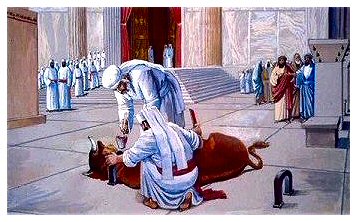 De Essenen zien (net als de moslims) in Ezra een valse leraar, een man die 'de ware Torah' voorzien heeft van primitieve bloedpraktijken, zoals het dierenoffer, dat binnen de leer van de Essenen afgewezen wordt.
Op een website van een groepering die zichzelf als 'Essenen' presenteert heb ik een tijdlijn aangetroffen, die aangeeft dat wat wij nu 'het Oude Testament' noemen, een herschrijving (de Essenen zeggen 'vervalsing') is van oude teksten.
Dat Oude Testament is samengesteld in Babylon door mensen die de wereld opdeelden in ware gelovigen (de raszuivere joden die stellen dat de Messias een jood moet zijn) en ketters (de bastaardjoden die ook in een niet-jood een geestelijk leraar kunnen zien), een tweedeling die - in weerwil van alle mooie woorden en beloften - nog altijd als kern van het joodse denken wordt gezien. (Jezus - dit even tussen haakjes - wordt in de Talmoed omschreven als een leerling van Joshua ben Pirahiah, die door de leraar werd afgewezen vanwege ongepast gedrag. Hij zou daarop een ketterse beweging in het leven hebben geroepen en op grond daarvan op 36 jarige leeftijd ter dood zijn gebracht).
Rabbi Benjamin Shmuel: “We’re talking about Jesus, the disciple of Rabbi Joshua ben Perahiah… His story begins according the Talmud in that he had his eyes on immodest things, and from there fell into idolatry, did sorcery, enticed and caused the people of Israel to sin.”
Historical Essenes
Modern Order of Essenes Website
"They do not offer animal sacrifice, judging it more fitting to render their minds truly holy. They flee the cities and live in villages where clean air and clean social life abound.
They either work in the fields or in crafts that contribute to peace. They do not hoard silver and gold and do not acquire great landholdings; procuring for themselves only what is necessary for life.
Thus they live without goods and without property, not by misfortune, but out of preference. They do not make armaments of any kind. They do not keep slaves and detest slavery. They avoid wholesale and retail commerce, believing that such activity excites one to cupidity.
With respect to philosophy, they dismiss logic but have an extremely high regard for virtue.
They honor the Sabbath with great respect over the other days of the week. They have an internal rule which all learn, together with rules on piety, holiness, justice and the knowledge of good and bad. These they make use of the form of triple definitions, rules regarding the love of God, the love of virtue, and the love of men.
They believe God causes all good but cannot be the cause of any evil. They honor virtue by foregoing all riches, glory and pleasure. Further, they are convinced they must be modest, quiet, obedient to the rule, simple, frugal and without mirth.
586: Judah, Jerusalem, Temple fall to Babylonia. Jews and some of their scrolls and other Temple artifacts are exiled to Babylon, Temple destroyed. [2K25] (Set the stage for false additions to scripture and tradition)
575?: Priestly (P) source of Gn/Ex/Lv/Nm (Mosaic Law) written in Babylon; Gn1-2:4 ...(Contains non Essene interpolations and additions, such as animal sacrifice)
560?: Deuteronomist (D) source of Joshua to Kings written in Babylon. .(Contains non Essene interpolations and additions, such as animal sacrifice)
531?: Lao-tzu, b.604?,571?, pseudonym?, Li Er?, Chinese philosopher: "Tao Te Ching". Teaches the Essene Life Stream Way under the name of Tao or Dao.
530: 2nd Isaiah (40-55) written in Babylon by Deutero-Isaiah, proclaims Cyrus as Jewish Messiah because of his decree to rebuild Temple, [I44:25-45:4]
515: Second Jerusalem Temple construction completed during Darius I reign.
516? Ezra, from Babylon, offers a False Torah (Mosaic Law) to Jerusalem [Neh8]. 4th Ezra speaks of him "receiving" the 24 public and 70 secret books alluding to the possibility that Ezra is responsible for all non Essene additions (pericopes) to the old Testament.
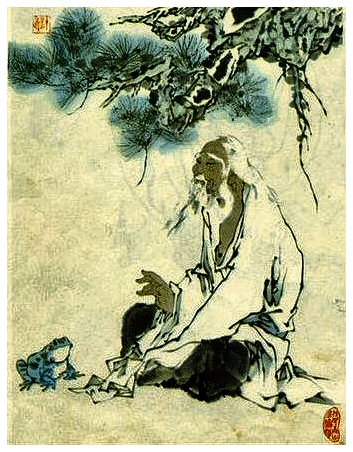 479: K'ung Fu-tzu, Kung Ch'iu, Confucius, b.551, Chinese philosopher, founder of Confucianism, wrote: "Lun-yu" (Analects), coined "Tao" (Way)
450?: Torah (Mosaic Law) compiled from E/J/P/D sources in Babylon. Final crystalization of the False Torah which includes animal sacrifice.
400?: 1st 7 chapters of "Chuang-tzu" written by Chuang Chou; Chinese Philos.
347: Plato, b.427?, Greek philosopher; Loeb Classics has 12 volumes
331: Alexander declared son of God at oracle of Amun in Siwa, Egypt. Significant to Essenes because of their connection to Amun, or Aumen (Essenes on Carmel are called the children of Aumen, or B'nai-Amen in Mandaen writings).
323: Remaining Jews in Judea sent to Alexandria, Egypt by Ptolemy Soter.
323: Diogenes the Cynic (kuon:dog), b.412?, lived in a barrel in Athens ...
250: Synagogues, places to study Torah (Mosaic Law), appear.
200?: Early non Essene False Torah (Law) Sages: Antigonus of Sochoh, Jose ben Johanan of Jerusalem, Jose ben Joezer of Zereda in Samaria, Joshua ben Perahiah and Nittai of Arbel in Galilee, Simeon ben Shetah, Judah ben Tabbai, Shemiah, Abtalion.
168: Antiochus IV plunders and desecrates Jerusalem Temple, erects Zeus altar.
167: Antiochus IV abolishes Temple worship in Dec., Jews forced to eat pork...
165: Daniel written in Jerusalem, 1/2 Aramaic, some basis in past: 280-180.
164: Jerusalem Temple rededicated, but not for pure Essene sacrifice, in Dec by Judas Maccabaeus son of Mattathias.
164-63: Hasmonean (Maccabean) Kingdom of Judea.
160-144: Jonathan Maccabaeus: High Priest and King of Jerusalem, assassinated.
144-135: Simon Maccabaeus rules Jerusalem: expels Syrians, annexed Jaffa 135-104: John Hyrkanos I: Ethnarch & High Priest of Jerusalem, "Age of Expansion." annexes Trans-Jordan, Samaria, Galilee, Idumea. Forces Idumeans to convert to Judaism, hired non-Jewish mercenaries, etc.
Pharisees (Perushim: lay group) and Sadducees (Zedukim: Priests) in Judea, "Sadducees have their support only among the rich, and the people do not follow them, while the Pharisees have the people for their ally" -[JA13.298].
Samaritans compile their own version of the Torah using Old Hebrew script. Qumran community established (Dead Sea Scrolls - 1949), Essene sect?, mostly Hebrew scrolls.
47: Herod, governor of Galilee, younger son of Antipater the Idumean, earns a reputation of being tough on Jews, kills Hezekiah without a trial ...
40: Herod appointed king of Judea in Rome by Mark Antony and Octavian Augustus.
37: Herod captures Jerusalem with help of Roman legions.
37-4: King Herod the Great of Judea: b.73?, "Massacrer of the Innocents", kills Antigonus and all heirs (end of Hasmonean dynasty), Augustus said: "One would rather be Herod's swine than his son", posed as a champion of hellenic culture, purely Greek inscriptions used on coins and weights.
Herod's Jerusalem and temple were thoroughly hellenistic, with Greek theatre and Hippodrome.
19-4: Herod rebuilds a hellenized, non Essene, Jewish Temple, includes Roman eagle gate.
15: Agrippa (12) (Herod's personal friend) visits Jewish Temple with sacrifices.
8 BC? John the Baptist born into the Nazorene branch of the Essenes, probably near July 6, 8 BC - 6 lunar months before Yeshua / Yashuah / Jesus.
6?: Herod executes Zealots who attempt to remove Roman eagle gate from Temple.
1 AD (ce): First year in Christian calendar and the possible year of the birth of Maria Magdala. This is not the year of the birth of Yeshua who had to be born at least 4 years earlier to be born during Herod the Great's reign. (a.d.=anno Domini)
9: Hillel the Elder from Babylonia, b.30 bce, "greatest Torah sage of Second Temple period", founder of Bet Hillel Torah school; at the request of a student to teach the entire Torah "while standing on one foot" he replied:
"What is hateful to you, do not unto your neighbor. This is the entire Torah, all the rest is commentary," i.e., "Go and study it."; "He who magnifies his name destroys it; he who does not increase his knowledge decreases it, and he who does not study deserves to die; and he who makes worldly use of the crown of Torah shall waste away."
Commentaar WD 2004
Onder de Farizeeën (die in het evangelie op felle wijze worden aangevallen) bevonden zich leraren die er dezelfde normen en waarden op na hielden als Jezus, wanneer het om recht en rechtvaardigheid ging. Dat was bijvoorbeeld het geval met de leraren uit de school van Hillel...
Webinfo: De school van Hillel (Hebreeuws: Beit Hillel) is een Joodse leerschool uit de 1e eeuw voor en na de christelijke jaartelling, opgericht door de Joodse wetgeleerde Hillel de Oudere (ca. 50 v.Chr. – 10 n.Chr.), een invloedrijke farizeeër en spiritueel leider (Nasi) in Jeruzalem. Haar grootste rivaal was de school van Sjammai (Beit Sjammai), opgericht door rabbi Sjammai.
De school van Hillel stond bekend om een mildere, flexibelere en mensgerichtere interpretatie van de Thora en de joodse wet (halacha) dan de strengere school van Sjammai.
De mythe van de machtige tempel
Commentaar WD 2004
Wie mythen (beter gezegd mystificaties) wil vernietigen - en geestelijke ontwikkeling is vernietiging van valse beelden en inbeeldingen - die zal er niet aan kunnen ontkomen het Zionistische machtsdenken, zoals het zich manifesteert in het beeld van 'de tempel' aan te vallen.
Alle historische bronnen tonen aan dat wat men de Tempelberg van Jeruzalem noemt een Romeins fort was (Fort Antonia) en dat de echte tempel aan de zuidkant van die tempelberg lag, maar desondanks houden zich 'modern' en 'verlicht' noemende politici en wetenschappers in Israël het sprookje van de Grote Priester en de kleine Caesar op een niet bijzonder eerlijke wijze in stand.
Het feit dat een Romeins-joodse historicus (Flavius Josephus) als ooggetuige een gedetailleerd beeld schetst van het fort en de tempel schijnt geen indruk op hen te maken...
"Ware kennis zal pas dan kunnen ontstaan,
wanneer er een eerlijk mens opstaat." Chuang Tze
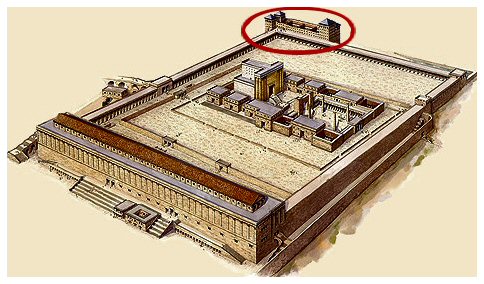 Josephus, a Jew who was an eyewitness of the destruction of Jerusalem by Rome in 70AD and the author of "The antiquities of the Jews" and "The Jewish wars"(available online) said the Temple of Herod was built high up on a platform that had four walls around it forming a precise square of 600 feet on each side.
Josephus said the wall of its southeast corner had its foundations directly in the deepest part of the Kidron Valley (in the streambed itself) and that its height was 300 cubits (450 feet, or about the height of a modern 40 story building). This description in no way fits the dimensions of the Haram.
Near the northwest corner Josephus said this external Temple wall was connected to Fort Antonia by two side-by-side colonnade roadways (each 600 feet long).
Josephus then said that Fort Antonia itself was built around a notable "Rock" that was viewed as the centerpiece feature of the interior of the Fort (which was also known as the Praetorium).
Josephus said that Antonias size was much larger than the Temple (he described Fort Antonia as the size of a city and it contained a full legion of Roman troops with many open spaces for military exercises and training).
Fort Antonia was so large that Josephus said it obscured the whole of the Temple square from the north. <
EU aids homeless Palestinians,
criticizes IDF demolitions
Haaretz [Israel] 12-8-2004
BRUSSELS - The European Union's head office leveled harsh criticism against Israel on Wednesday while announcing $1.6 million to aid thousands of Palestinians whose homes were demolished during Israel Defense Forces incursions in the Gaza Strip last spring.
"These funds do not absolve the occupying power of its responsibilities to uphold international humanitarian law," said Poul Nielson, EU commissioner for humanitarian aid, in a statement.
Citing EU and UN declarations, he added: "House demolitions are disproportionate acts that contravene international humanitarian law ... and show a reckless disregard for the lives of civilians."
"Wat jij niet wilt dat de mensen je aandoen, doe dat ook een ander niet aan. Dat is de hele Tora, en de rest is uitleg. Ga heen en leer de uitleg!" Hillel de Oude van Babylon
Olmert says major withdrawal
from West Bank inevitable
Maariv 12-8-2004
 Deputy PM Ehud Olmert has said that Israel will have to accept the fact that it will relinquish most of the West Bank. He was speaking on a tour of the West Bank.
He said that the four northern Samarian settlements due to be evacuated as part of the disengagement program will not be the last, but only the beginning of withdrawals from Judea and Samaria .
He said that Israel had to realize it did not live in a vacuum, and could not be indifferent to public opinion, even if it was sometimes misinformed or wrong.
We have to take steps that will reduce the daily conflict with much of the world, he said.
He said that Israel could not afford to wait until the Palestinians got their act together. If we cannot negotiate a settlement now, better to take our fate into our own hands and unilaterally do what we must to preserve and protect Israel's interests, keeping what we can and leaving what we cannot.
Swallowing more than we can chew does not serve the national interests , he said.
His words drew a predictable storm from the right wing. His erstwhile Likud colleague Uzi Landau said that Olmert no longer represented the Likud, as would be shown in the forthcoming convention, which would reject his defeatist leftist ideas .
De geschiedenis kan vreemde herhalingen opleveren. Op het moment waarop Ehud Barak tijdens de besprekingen met Bill Clinton en Yasser Arafat in Camp Davis (in het jaar 2000) soortgelijke geluiden liet horen als Olmert nu, was het Likoednik Ariel Sharon die als een rechtse superhavik liet weten dat dergelijke voorstellen volstrekt onaanvaardbaar waren.
'Over mijn lijk', zo luidde (populair uitgedrukt) zijn niet bijzonder vredelievende antwoord op de deal die voor de Palestijnen verre van ideaal was, omdat joodse nederzettingen als zelfstandige entiteiten binnen het Palestijnse gebied zouden blijven bestaan.
Sharon kon zich zo onverzettelijk opstellen omdat de opiniepeilingen (Barak zat wegens aankomende verkiezingen op de wipstoel) uitwezen dat het Israëlische kiezersvolk niet Barak steunde maar de rechtse Likoed, die op haar beurt heel schijnheilig Yasser Arafat (die ondanks zijn bezwaren het gesprek in gang wilde houden) ervan beschuldigde dat hij 'de vrede' (een vrede die de Likoed helemaal niet wilde) zou hebben afgewezen.
Terugblik 2000: Sharon bezoekt Tempelberg
Begin van de Palestijnse opstand (Intifada)
 "28 september 2000: In Jeruzalem en Ramallah raken Israelische agenten slaags met Palestijnen die demonstreren tegen een bezoek aan de Tempelberg door de Israelische oppositieleider Ariel Sharon.
Sharon is voor hen een van de meest gehate Israelische politici, vanwege zijn rol bij het bloedbad in de Palestijnse vluchtelingenkampen Sabra en Shatila in Libanon van 1982. De Palestijnse leider Yasser Arafat noemt het bezoek van Sharon 'een bedreiging voor de islamitische heilige plaatsen'. Hij roept de islamitische wereld op snel stappen te nemen ter bescherming van de moskeeën op de Tempelberg, door de moslims het Nobele Heiligdom genoemd." (de Volkskrant, 2000)
De provocerende daad van Sharon maakte een einde aan het vredesgesprek tussen Barak en Arafat en maakte van Sharon de rechtse Likoednik die met ijzeren vuist het Midden-Oosten zijn vrede zou gaan opleggen.
Zie ook: Sharon en de Likoed
De Nieuwe Geldreligie Van Theo Van Gogh
Commentaar WD 2004
Op de website van Theo van Gogh kan de lezer columns aantreffen van 'volgelingen', een woord dat een sterke religieuze lading heeft.
Theo is de leider en fungeert als opperpriester in een zelf in het leven geroepen kerk waarin Pim Fortuyn (door Theo 'de goddelijke kale' genoemd) als God fungeert en waarin het grote geld de geestelijke motor is.
Pim was, heel simpel uitgedrukt, een man van geld. Hij had best wel idealen (foto's van John. F. Kennedy en Joop den Uyl sierden de wanden van zijn antiek ingerichte patriciërswoning), maar hij was de mening toegedaan dat je als idealist alleen maar een zinvol bestaan kunt leiden wanneer je naast je idealen heel veel geld bezit.
Wie arm is, zo luidt de onderliggende boodschap, wordt door niemand serieus genomen, zodat alles wat je zegt en doet, hoe belangrijk ook, weinig meer zal zijn dan een voetnoot in een geschiedenisboek dat door de rijken en de machtigen geschreven wordt. Een opvatting die niet geheel bezijden de waarheid is...
 Omdat er ongetwijfeld mensen zullen zijn die denken dat ik zo maar wat uit mijn nek zit te kletsen, verwijs ik hier naar een artikeltje van Ebru Umar (momenteel een volgeling van Theo), dat voorzien is van lezersreacties, die allemaal de grootheid van deze mevrouw bezingen.
Een van haar supporters wijst Ebru Umar in een reactie op het kapitalistische evangelie van Ayn Rand, een liberale Amerikaanse schrijfster en filosofe, die individualisme (kenmerkend voor anarchistisch denken, dus niks mis mee ) koppelt aan een vorm van kapitalisme die je rustig asociaal mag noemen; een ontkenning dus van wat socialisten ooit (in een ver verleden) de zorgzame samenleving of de verzorgingsmaatschappij noemden.
"In mijn leven", zegt de reagerende mevrouw, "hebben mij de boeken van Ayn Rand altijd geholpen. Jij doet me denken aan de hoofdpersoon uit Atlas shrugged : een CEO van de US spoorwegen, jaren 30.
Wow, of je kent de boeken of je bent er verwant mee. Maar je strijd is ongeveer dezelfde als de hare. Een morele strijd dus. En zo razend knap verwoord in dit boek! Ongeëvenaard. En dus...., je raadt het al: doodgezwegen.. Doodgezwegen in Europa, maar in Amerika een constante stroom, onderstroom van Het Gezonde Verstand."
Helemaal ongelijk heeft de reagerende vrouw niet. Ayn Rand is inderdaad een filosoof die denken kan, maar waar de mevrouw op Theo's website de term 'gezond verstand' gebruikt, daar zou ik liever het woord 'ijzeren verstand' willen gebruiken, want Ayn Rand schept een uiterst scherpe tegenstelling tussen verstandige mensen: mensen die rijk worden omdat ze individualistisch zijn, en onverstandige mensen: filantropen, socialisten en andere 'loosers', mensen die dom, lui en aangepast zijn en alleen maar de rijken een poot uit willen trekken omdat ze naast hun luiheid ook jaloers en onverdraagzaam zijn..
Non-conformisme wordt hier dus opgevat als een geestelijke toestand die rijk maakt en ook rijk moet maken, op zo'n manier dat rijkdom in feite gaat bepalen wie wel en wie niet non-conformistisch is, zodat een rijke nihilistische maffiabaas die in een grote villa van tien miljoen dollars woont op een hoger niveau moet worden geplaatst dan een arme non-conformistische idealist die met een plastic bordje in de hand in de rij voor een Amerikaanse gaarkeuken staat.
Van het web heb ik een passage uit Ayn Rands 'Atlas Shrugged' gelicht, waarin precies wordt aangegeven welke filosofie de Van Gogh Gemeenschap momenteel uitdraagt. Niet de filosofie van John F. Kennedy en Joop den Uyl, maar de filosofie van het grote geld, het gouden kalf, of hoe je het verlangen rijkdom aan non-conformisme te koppelen ook wilt noemen...
Atlas Shrugged - Ayn Rand
(The following is an excerpt from Atlas Shrugged, Copyright, 1957, by Ayn Rand. )
"So you think that money is the root of all evil?" said Francisco d'Anconia.
 "To trade by means of money is the code of the men of good will. Money rests on the axiom that every man is the owner of his mind and his effort. Money allows no power to prescribe the value of your effort except the voluntary choice of the man who is willing to trade you his effort in return.
Money permits you to obtain for your goods and your labor that which they are worth to the men who buy them, but no more. Money permits no deals except those to mutual benefit by the unforced judgment of the traders.
Money demands of you the recognition that men must work for their own benefit, not for their own injury, for their gain, not their loss, the recognition that they are not beasts of burden, born to carry the weight of your misery that you must offer them values, not wounds that the common bond among men is not the exchange of suffering, but the exchange of goods.
Money demands that you sell, not your weakness to men's stupidity, but your talent to their reason; it demands that you buy, not the shoddiest they offer, but the best that your money can find.
And when men live by trade with reason, not force, as their final arbiter it is the best product that wins, the best performance, the man of best judgment and highest ability and the degree of a man's productiveness is the degree of his reward. This is the code of existence whose tool and symbol is money. Is this what you consider evil?
"To the glory of mankind, there was, for the first and only time in history, a country of money and I have no higher, more reverent tribute to pay to America, for this means: a country of reason, justice, freedom, production, achievement.
For the first time, man's mind and money were set free, and there were no fortunes-by-conquest, but only fortunes-by-work, and instead of swordsmen and slaves, there appeared the real maker of wealth, the greatest worker, the highest type of human being the self-made man the American industrialist.
"If you ask me to name the proudest distinction of Americans, I would choose because it contains all the others the fact that they were the people who created the phrase 'to make money.'
No other language or nation had ever used these words before; men had always thought of wealth as a static quantity to be seized, begged, inherited, shared, looted of obtained as a favor.
Americans were the first to understand that wealth has to be created. The words 'to make money' hold the essence of human morality. (Fragment uit Atlas Shrugged)
Zie ook: Ayn Rand & Objectivisme
Theo van Gogh: de nihilist Commentaar WD 2004
 Hoewel Theo zichzelf 'nihilist' noemt, eentje die aan niks waarde hecht, is hij bepaald niet vies van een dikke portemonnee met veel knapperige bankbiljetjes daarin.
Dat is dan ook de reden waarom hij als 'nihilist' opgenomen is in de registers van 'De Internationale Denktank', een vereniging, stichting of bedrijf (noem het zoals je het wilt..) die prominente Nederlanders ('denkers' dus) voor geld aanbiedt aan het publiek dat graag een aantal wijze woorden van deze denkers uit hun eigen monden wenst te vernemen.
Wie wil weten wat een spreker kost dient een blik te werpen op de onder de bijgevoegde foto's geplaatste eurotekens.
Is er sprake van een lange rij euro's, dan kun je aannemen dat er een superdenker voor je staat, is er maar een enkele euro geplaatst, dan hebben we te maken met iemand die wel graag zou willen nadenken, maar volgens de denktank helaas niet genoeg capaciteiten bezit.
Tot de grote denkers (gezien de vele eurotekentjes die onder hun portret zijn aangebracht) behoren Roel Pieper (5 eurotekens) en Karel van de Graaf (4 eurotekens).
Tot de kleine jongens behoren Arend Jan Boekestein (slechts 1 euro) en Volkskrantcolumnist Martin Bril (2 euro).
Theo van Gogh behoort bij de middelmaat (3 eurotekens), hetgeen betekent dat je hem in kunt huren voor bedragen tussen de 2200 en 3500 euro. De website over hem het volgende:
"Theo van Gogh ziet zichzelf als predikant van de nihilistische gemeente, dat wil zeggen, probeer anderen niet te serieus te nemen en probeer zelf zoveel mogelijk politiek-incorrecte standpunten te verkondigen. Houdt zich vooral bezig met de vraag `Is er leven voor de dood'. Hij dingt al jaren naar de hand van Maartje van Weegen. Theo is inzetbaar als spreker en dagvoorzitter. Te bereiken via Speakers Academy Holland..."
Wie Maartje van Weegen is wordt niet verteld...
De Leermeesters van Pim Fortuyn
Fortuyn in gesprek met PvdA man Ad Melkert
Algemeen Dagblad 5 mei 2002
Op 6 mei 2002 stierf Pim Fortuyn
Hij werd niet begraven maar ingemetseld in
een duur ogend grafmonument